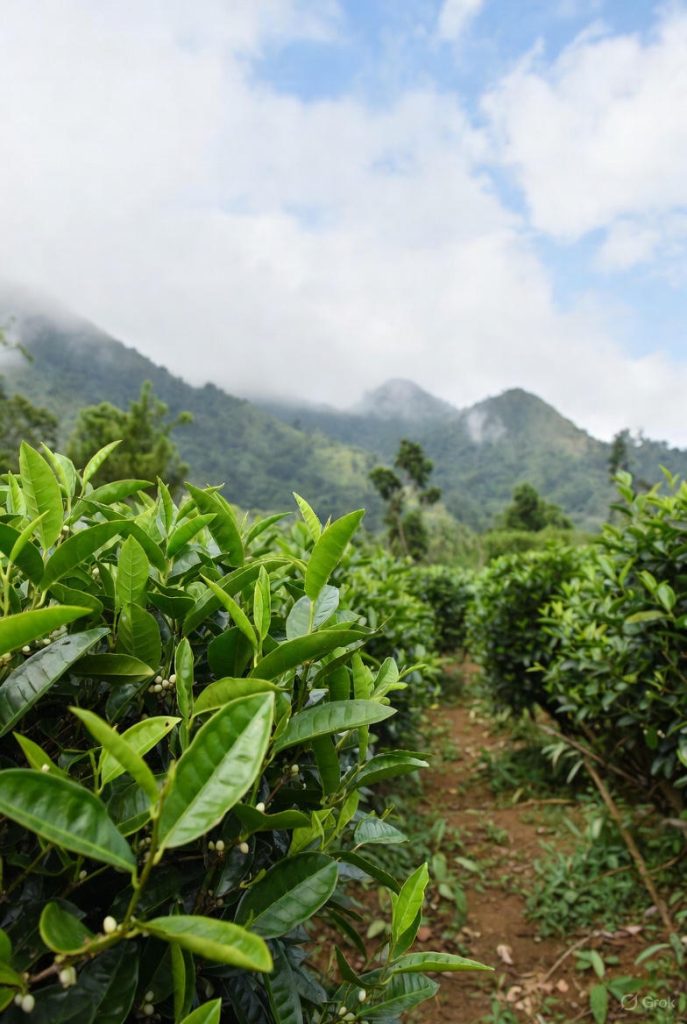
Vietnamese Tea Export: A Beginner’s Guide
Vietnam stands among the world’s leading tea producers. Its fertile soil, highland climate, and diverse tea varieties make Vietnamese tea popular in many international markets. For beginners, the Vietnam tea export industry offers promising opportunities. However, you must understand essential steps, standards, and market requirements before starting. This guide provides a clear and beginner-friendly overview to help you confidently enter the global tea business.
Understanding Vietnam’s Tea Industry
– Key Tea-Growing Regions
Vietnam has several famous tea regions, including Thai Nguyen, Lam Dong, Ha Giang, and Phu Tho. Each region produces distinct flavors. Thai Nguyen is known for high-quality green tea, while Lam Dong specializes in Oolong and black tea. Because these regions supply consistent harvests, exporters can secure stable sourcing throughout the year.
– Popular Export Tea Types
Exporters often choose green tea, black tea, Oolong, jasmine tea, and specialty herbal blends. International buyers appreciate Vietnam’s strong aroma and competitive price. Moreover, specialty teas like Shan Tuyet from Ha Giang attract premium markets due to their natural processing and unique taste:
/export-services/.
Market Research and Buyer Targeting
– Identify Promising Markets
Countries such as China, Taiwan, Pakistan, Russia, the U.S., and the Middle East import large volumes of tea. Each market has different preferences. For example, the Middle East prefers strong black tea, while East Asia values green and Oolong tea. Therefore, you should analyze consumption habits, price ranges, and competitors before choosing your target market.
– Understand Buyer Requirements
Every country sets specific import rules. Some markets require pesticide tests, ISO certification, or organic documentation. Since buyers look for consistency and transparency, you should prepare clear product specifications, sample lists, and factory details.
https://vietnam.trade
Quality Standards and Certifications
– Essential Certifications for Tea Export
To gain trust, exporters usually need HACCP, ISO 22000, or GMP certification. Organic markets require USDA Organic or EU Organic. These certifications help your tea meet international expectations. Additionally, maintaining traceability from farm to packaging boosts your credibility.
– Packaging and Labeling Rules
Export packaging must be strong, moisture-resistant, and clearly labeled. Include ingredients, origin, harvest date, weight, and storage instructions. Because labeling laws differ by country, you should check regulations before production. Good packaging not only protects the tea but also increases brand appeal.
Export Procedures and Logistics
– Required Export Documents
Beginners must prepare key documents such as the commercial invoice, packing list, certificate of origin (C/O), phytosanitary certificate, and test reports. These documents speed up customs clearance. Furthermore, having them well-organized reduces delays and unexpected fees.
– Choosing the Right Shipping Method
Tea exporters often choose sea freight for large orders and air freight for premium small batches. While sea freight costs less, air freight offers faster delivery. Because freshness matters for high-quality tea, exporters sometimes use vacuum packaging to maintain flavor during transport.
Pricing, Negotiation, and Building Trust
– Set Competitive Pricing
Your price must reflect tea quality, certification costs, packaging, labor, and shipping fees. Competitive pricing helps you enter new markets more easily. Moreover, offering multiple grades gives buyers flexible options.
– Build Long-Term Buyer Relationships
Export success relies on trust. Respond quickly, send accurate samples, maintain consistent quality, and support buyers after the transaction. These habits help you build strong partnerships. Additionally, attending trade fairs or online B2B marketplaces increases your visibility.