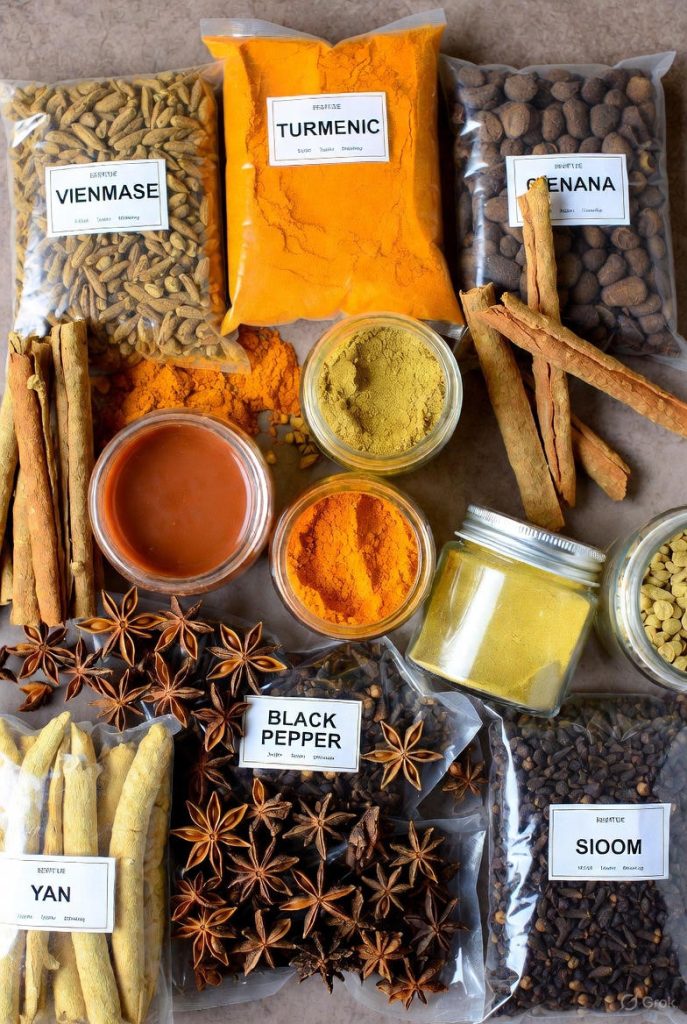
Vietnam is one of the world’s most important spice producers. The country supplies pepper, cinnamon, star anise, ginger, chili, and many other aromatic products to global markets. With rising demand from Europe, the US, and the Middle East, Vietnam provides strong opportunities for exporters. To help you get started, this guide explains everything you need to know about the Vietnam spice export process.
Understanding the Global Market for Vietnamese Spices
– Identify High-Demand Spices
Before you begin exporting, you must understand what international buyers want. Pepper and cinnamon remain the biggest export categories. However, star anise, clove, turmeric, and ginger continue to grow in popularity. Since each market prefers different flavors and grades, researching market trends gives you a strong advantage.
– Monitor Regulations and Standards
Countries such as the US and EU have strict safety rules for spice imports. Therefore, exporters need to follow hygiene standards, pesticide limits, and labeling rules. By studying requirements early, you avoid delays and rejections at the border. This step also helps you build long-term trust with buyers.
Finding Reliable Vietnamese Spice Suppliers
– Check Quality Certifications
A trustworthy supplier usually has certifications like HACCP, ISO, organic certificates, or Fair Trade labels. These credentials show that the supplier handles spices safely and ethically. When you work with certified suppliers, you increase buyer confidence and streamline the export process.
– Evaluate Product Consistency
Spice quality can vary, so you should test samples from different batches. A good supplier will provide moisture levels, oil content, color grades, and aroma strength. Moreover, consistent quality helps you build a strong export brand.
Learn more about our support services for exporting Vietnamese agricultural products.
Meeting Export Requirements in Vietnam
– Essential Export Documents
To export spices legally, you need key documents such as:
Commercial Invoice
Packing List
Sales Contract
Phytosanitary Certificate
Certificate of Origin (Form B, E, or EUR.1 depending on the market)
These documents prove product authenticity and safety. Since buyers expect clear paperwork, preparing them correctly is essential.
– Customs and Inspection Procedures
Vietnamese customs may check your shipment for cleanliness, quality, and correct labeling. Although inspections sound strict, they protect your business from future disputes. Therefore, working with experienced freight forwarders ensures fast and smooth clearance.
Refer to the Vietnam Customs official website for updated export guidelines.
Ensuring Quality for International Buyers
– Third-Party Testing and Certification
Global buyers often request independent testing from SGS, Intertek, or Eurofins. These agencies check for contamination, pesticide residues, and microbial safety. Because spice safety is extremely important, completing these tests builds credibility with buyers.
– Proper Packaging and Labeling
Spices must be packed in moisture-proof and aroma-preserving bags. Many markets also require English labels, nutrition facts, harvest dates, and storage instructions. Accurate labeling prevents customs issues and increases your product’s professionalism.
Logistics and Shipping Tips
– Choose Suitable Shipping Methods
Most spices ship by sea in containers. However, high-value spices sometimes ship by air. You should review shipping costs, transit time, and buyer expectations before choosing a method. Clear communication keeps everything organized and avoids confusion.
– Maintain Strong Buyer Relationships
After shipping, update your buyers about tracking information and document status. Good communication builds trust and encourages repeat orders. Since spice trading depends on relationships, consistent service is a major advantage.
Growing Your Vietnam Spice Export Business
– Expand to New Markets
Once you master one region, explore other countries. Each market offers unique preferences and opportunities. Diversifying your markets also protects your business against price fluctuations.
– Build a Reliable Brand
When your quality stays consistent, buyers trust your brand. Over time, this helps you secure long-term contracts. Therefore, focus on transparency, clean sourcing, and responsible farming.